
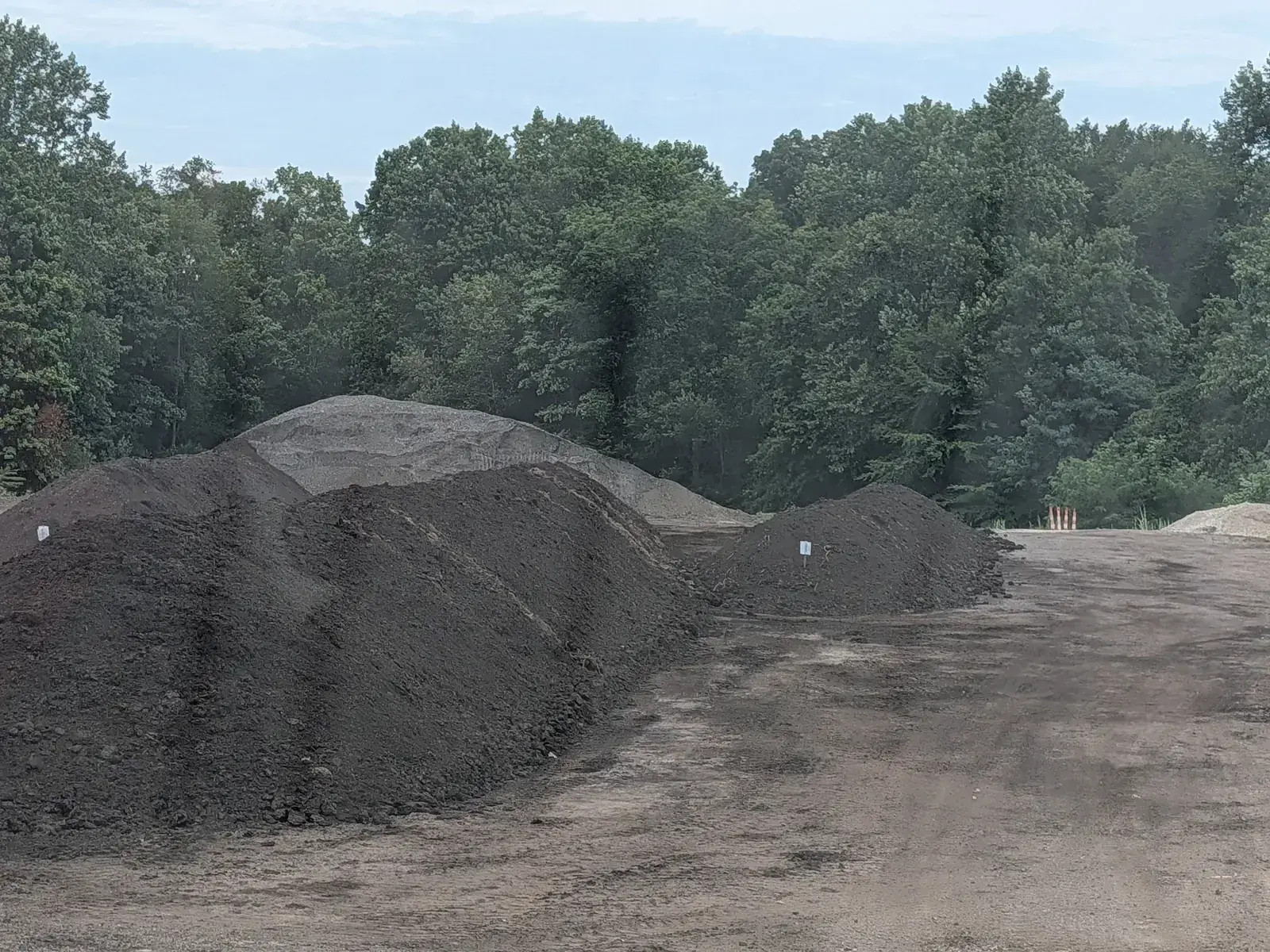
How Much Topsoil You Need To Fill A Raised Garden Bed
You can figure out your raised bed fill in one step: multiply inside length × inside width × fill depth, then divide by 27 to get cubic yards. For example, a 4 ft × 8 ft × 12 in bed needs about 1.2 cubic yards of soil mix.
Before you order, I’d keep these points in mind:
- Measure the inside of the bed, not the outside
- Convert inches to feet before doing the math
- Use cubic yards when ordering bulk topsoil or compost
- Match depth to crops: about 8 inches for greens and beans, 12 to 24 inches for deeper-rooted plants
- Fill the full depth if the bed sits on concrete or asphalt
- Use less imported fill if roots can reach native soil below
- Split the total volume between topsoil and compost
- Order a little extra for settling after watering
One fast check: 1 cubic yard covers about 100 square feet at 3 inches deep. If your numbers look far off from that, I’d check the math before placing the order.
This article walks through the volume formula, crop depth, mix split, and order planning in plain terms.
Soil Math Magic: Calculate the Perfect Amount for Your Raised Garden Bed
sbb-itb-b452ec0
Measure the bed and calculate total soil volume
Measure the inside length, inside width, and fill depth. Once you have those numbers, the math is pretty simple.
Use this formula:
Length (ft) x Width (ft) x Depth (ft) = Cubic Feet
Then divide by 27 to turn cubic feet into cubic yards.
Use inside dimensions in the volume formula
Measure from the inside of the bed walls, not the outside. The wall thickness takes up room, but it doesn’t hold soil.
| To Convert From | To | Calculation |
|---|---|---|
| Inches | Feet | Divide by 12 |
| Cubic Feet | Cubic Yards | Divide by 27 |
Worked example: a 4-foot by 8-foot by 12-inch bed
A 4-foot by 8-foot bed with a 12-inch fill depth works like this:
- Convert the depth: 12 inches ÷ 12 = 1 foot
- Multiply: 4 x 8 x 1 = 32 cubic feet
- Convert: 32 ÷ 27 = approximately 1.2 cubic yards
For this bed, order 1.2 cubic yards.
With the total volume known, the next step is choosing the right fill depth for the bed.
Choose the right soil depth for what you plan to grow
Soil depth should line up with two things: what you're growing and what the bed sits on. That choice affects how much of the bed you need to fill with topsoil and compost.
Match fill depth to crop root depth
Not every crop needs the same amount of soil. Shallow-rooted crops like leafy greens and beans usually do well with about 8 inches of soil when the bed is set on a hard surface. Plants with deeper roots - like peppers, tomatoes, and squash - often need 12 to 24 inches.
| Crop Type | Recommended Soil Depth | Notes |
|---|---|---|
| Leafy greens, beans | ~8 inches | Sufficient on hard surfaces if depth is met |
| Peppers, tomatoes, squash | 12 to 24 inches | More depth needed on hard or sealed surfaces |
This difference matters most when the bed isn't sitting on native soil.
Account for open-bottom beds and soil below
Depth by itself doesn't tell the whole story. If your bed sits on native soil, roots can grow past the frame and into the ground below. So the soil you add inside the bed doesn't need to match the full wall height.
But if the bed sits on concrete, asphalt, or a patio, that's a different deal. Roots can't push below the bed, so the soil inside has to provide the full root depth. In plain terms: you need to order and fill the full volume.
Beds under 12 inches deep usually work best on native soil with an open bottom. And if you're using an open-bottom bed, loosen the native soil underneath first. That helps with drainage and gives roots an easier path down.
Divide the total volume into topsoil and compost
Once you know the bed volume, split that total between topsoil and compost. The key point is simple: your total volume is the entire amount of fill you need for the bed, not just the topsoil portion.
Most raised beds work best with a blend of the two materials. So when you order, use the full volume first, then divide that amount based on the mix you want.
Calculate each material as a share of total volume
Work out each material by multiplying the total volume by its share of the mix. In many raised beds, the blend uses more topsoil than compost.
When you place the order, ask for screened topsoil and leaf compost. Screened topsoil has had large debris removed, so it mixes more evenly with compost and gives you a smoother fill.
Conditions that affect the topsoil and compost blend
After that, adjust the mix based on the site. If the area has poor drainage or heavy clay, you’ll often want a higher share of compost.
It’s better to make that call before placing the order, especially if your bed or site needs something different from a standard raised-bed mix.
Adjust for existing soil, settling, and bulk delivery
Your volume estimate shows how much space is inside the bed. But before you order, make a few small adjustments.
Check whether the bed needs a full imported fill
Not every raised bed needs to be filled all the way with imported material. The surface under the bed makes a big difference.
If the bed sits on concrete or asphalt, there’s no usable soil below it. That means you need to import the full depth your plants need.
If the bed sits over loosened native soil, that soil already adds to the rooting zone. In that case, measure from the loosened soil surface up to your target fill height, which is usually 1 to 2 inches below the top of the frame. That measurement, not the full frame height, is the depth you need to import.
Use that adjusted depth when sizing the delivery.
Prepare your order and delivery location
Plan for settling after watering. It’s smart to order a little more than your calculated volume so the bed still ends up at your target depth after the material drops.
Then get your delivery details together. Have these ready:
- Total cubic yards
- Material type
- Bed dimensions
- Delivery address
If you’re ordering both topsoil and compost for a custom blend, ask for separate piles if you want to mix them on site.
O'Bryan Topsoil and Compost delivers screened topsoil and leaf compost by the cubic yard to homes and contractors in the area. Before the truck arrives, make sure there’s a clear, firm unloading spot for the dump truck, and keep that area free of obstacles so delivery goes smoothly.
Conclusion: Measure first, calculate volume, then order the right mix
Getting the right amount of topsoil starts with one simple habit: measure before you order. Use the inside dimensions of your bed to figure out the total in cubic yards, then order that amount.
Once you have the volume, pick the mix that fits the job. Divide the total between topsoil and compost based on the bed depth and crop needs you already set.
Before placing the order, make sure the truck can unload in the spot you want. O'Bryan Topsoil and Compost delivers screened topsoil and leaf compost to homes and contractors in Stow, Hudson, Kent, Cuyahoga Falls, Tallmadge, Akron, and nearby Summit County towns.
Measure, calculate, match the mix, then order.
FAQs
How do I calculate soil for a bed with unusual dimensions?
Measure the bed’s length, width, and depth in feet. Then multiply those numbers to get cubic feet. After that, divide by 27 to convert the total to cubic yards.
Here’s a simple rule of thumb: 1 cubic yard covers about 100 square feet at 3 inches deep.
Bulk materials like screened topsoil and leaf compost from O'Bryan Topsoil and Compost are sold by the cubic yard.
What soil mix ratio works best for raised beds?
A common, effective mix for raised beds is 60% screened topsoil and 40% organic leaf compost. You get structure and drainage from the topsoil, plus the nutrient density plants need to grow well.
O'Bryan Topsoil and Compost offers both in bulk. To figure out how much to order, multiply your bed’s length, width, and depth in feet, then divide by 27 to get cubic yards.
How much extra soil should I order for settling?
Order about 10% extra soil to account for settling. First, figure out the depth you need. Then multiply your total cubic yards by 1.10.
As a simple rule of thumb, 1 cubic yard of topsoil covers about 100 square feet at 3 inches deep. O'Bryan Topsoil and Compost delivers screened topsoil by the cubic yard in Summit County.
Need material delivered?
Tell us the material, the town and roughly how many yards, and we will size the load with you.