
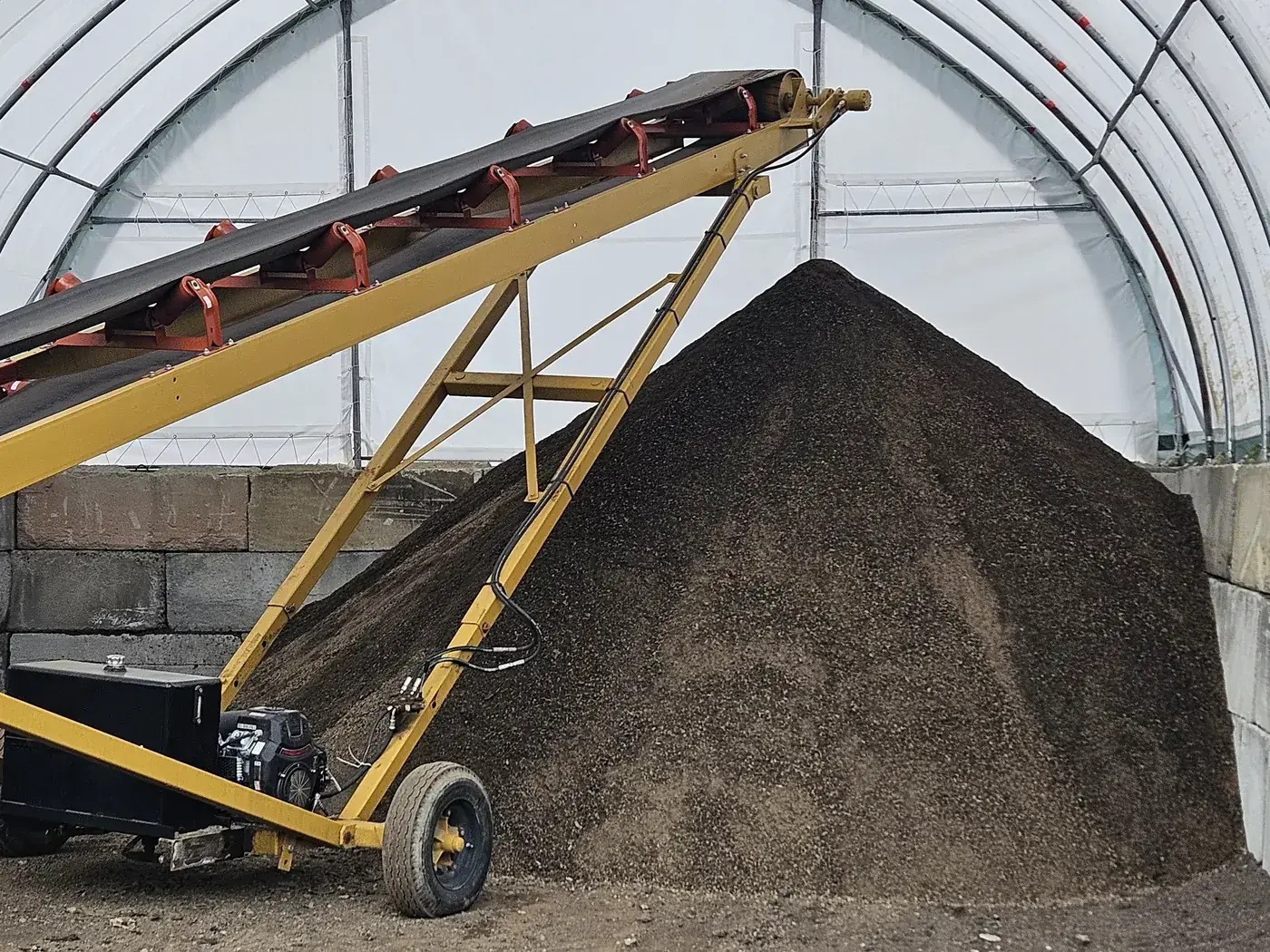
How To Store A Fresh Topsoil Or Compost Delivery Before You Spread It
If you can’t spread topsoil or compost the same day, put it on firm, well-drained ground, keep it out of runoff, and cover it the right way for the material. That’s the short answer.
I’d keep these points in mind right away:
- Pick the drop spot before the truck arrives
- Use a firm surface that won’t turn muddy
- Keep the pile away from standing water, drains, debris, and pet waste
- Cover topsoil to limit soaking and washout
- Cover compost loosely so air can still move
- Check the pile before use for clumps, runoff, and mixed-in gravel or mud
One detail that helps with planning: 1 cubic yard covers about 100 square feet at 3 inches deep. So even a small delivery can take up more room than you may expect.
If I had to sum up the whole process in one line, it would be this: keep the pile clean, keep water under control, and make sure the material still looks usable before you spread it.
What Is the Best Way to Store Compost (5 Safe Ways)
sbb-itb-b452ec0
Choose and Prepare the Storage Area
Choose the storage spot before the truck shows up. That one step can save you a lot of hassle.
A bad drop zone can lead to contaminated material, blocked access, or a pile that turns into a muddy mess after one solid rain. And once the load is dumped, moving it is a whole extra job.
Use a Stable, Well-Drained Surface
Set the pile on firm, well-drained ground so it stays clean and doesn't mix with mud. Keep it away from pet waste, chemicals, debris, standing water, and drainage paths.
That helps reduce contamination, erosion, and water saturation before you're ready to spread it.
After that, clear the route so the truck can place the pile without blocking anything.
Plan the Drop Spot Before the Truck Arrives
Once you've chosen the surface, mark the exact place where the load should go. A dump truck needs a clear, safe path to the drop spot. If the area isn't accessible when the truck arrives, the driver may have to dump the load somewhere else.
Before delivery day, clear the route and make sure the drop zone won't block a driveway, sidewalk, garage, or street. Leave enough room for access, and keep the pile out of the way.
One cubic yard covers about 100 square feet at 3 inches deep, so make sure the area can handle the full load.
Cover and Manage the Pile Based on the Material
Topsoil and compost shouldn't be stored the same way after delivery. They react to water and air in different ways, so each pile needs its own setup.
How to Store Screened Topsoil to Limit Erosion and Saturation
After the topsoil is dropped off, shape it into a steady mound with a mild slope. That helps rainwater run off instead of sitting on top and soaking into the pile.
Then cover it with a tarp and tie it down well so the wind can't peel it back. This helps cut down on erosion and weed growth. At the same time, you don't want to trap moisture under the cover, so the pile should still get a little airflow.
How to Store Leaf Compost So It Stays Damp, Not Waterlogged
Compost needs a lighter touch. Keep heavy rain and surface runoff off the pile, but don't seal it up tight. A loose cover works better because it lets air move through.
The goal is simple: keep the compost damp, not dripping wet. If it sits for a few days, give it a quick check to make sure it hasn't dried out or turned soggy.
Before you spread it, look over the pile for runoff, debris, or moisture issues.
Check the Pile Before You Spread It
Let the pile sit for a day or two, then give it a close look before moving anything. A quick check now can save you a mess later.
Look for Water Damage, Debris, and Runoff
Check the top, sides, and bottom of the pile for debris, large clumps, crusting, or runoff. Screened topsoil and leaf compost can pick up contaminants while they sit in storage. If you spot sticks, leaves, gravel, or mud, pull them out before you spread the material.
Pay extra attention to the bottom edge if the pile was dumped on a gravel driveway or another loose surface. Material from the base can mix into the pile while it sits, and that can end up in your beds or lawn if you’re not careful.
Then make a simple call: is the pile still clean and workable enough to use?
Check Whether the Pile Is Still Usable
Make sure you still have enough material to cover the area you planned for. Also leave enough open space around the pile for a wheelbarrow or loader to move through without a hassle.
If part of the pile is soaked, crusted over, or packed too hard, set that section aside before you start spreading.
Conclusion: Keep the Material Clean, Covered, and Ready to Use
Keep the pile clean, covered, and checked before use. Do that, and it’ll be much easier to spread when you’re ready.
Good storage cuts down on cleanup and makes spreading a whole lot easier.
FAQs
How long can I leave topsoil or compost in a pile?
Spread topsoil or compost as soon as it arrives. If it sits in a pile for too long, it can get compacted. And once that happens, it’s a lot harder to spread and work into the ground.
If you can’t use it right away, cover the pile with a tarp. That helps protect it from heavy rain and keeps it from drying out in the sun.
Can I store the pile on a driveway or gravel surface?
Yes. You can place your delivery on a driveway or gravel surface.
A hard surface helps keep topsoil or compost clean and makes the pile easier to deal with until you're ready to spread it. Just clear the area first so the driver can unload the material safely.
What should I do if the pile gets too wet before I spread it?
Let the topsoil or compost dry on its own before you spread it. If more rain is on the way, cover the pile with a tarp so it doesn’t get any wetter.
Once the weather clears, take the tarp off and let the sun and air do their job. Spreading material that’s too wet can compact the soil and leave you with poor soil structure.
Need material delivered?
Tell us the material, the town and roughly how many yards, and we will size the load with you.